

Are You Ready to Lose Weight and Learn How To Keep It Off?

October 2, 2019

Share this article

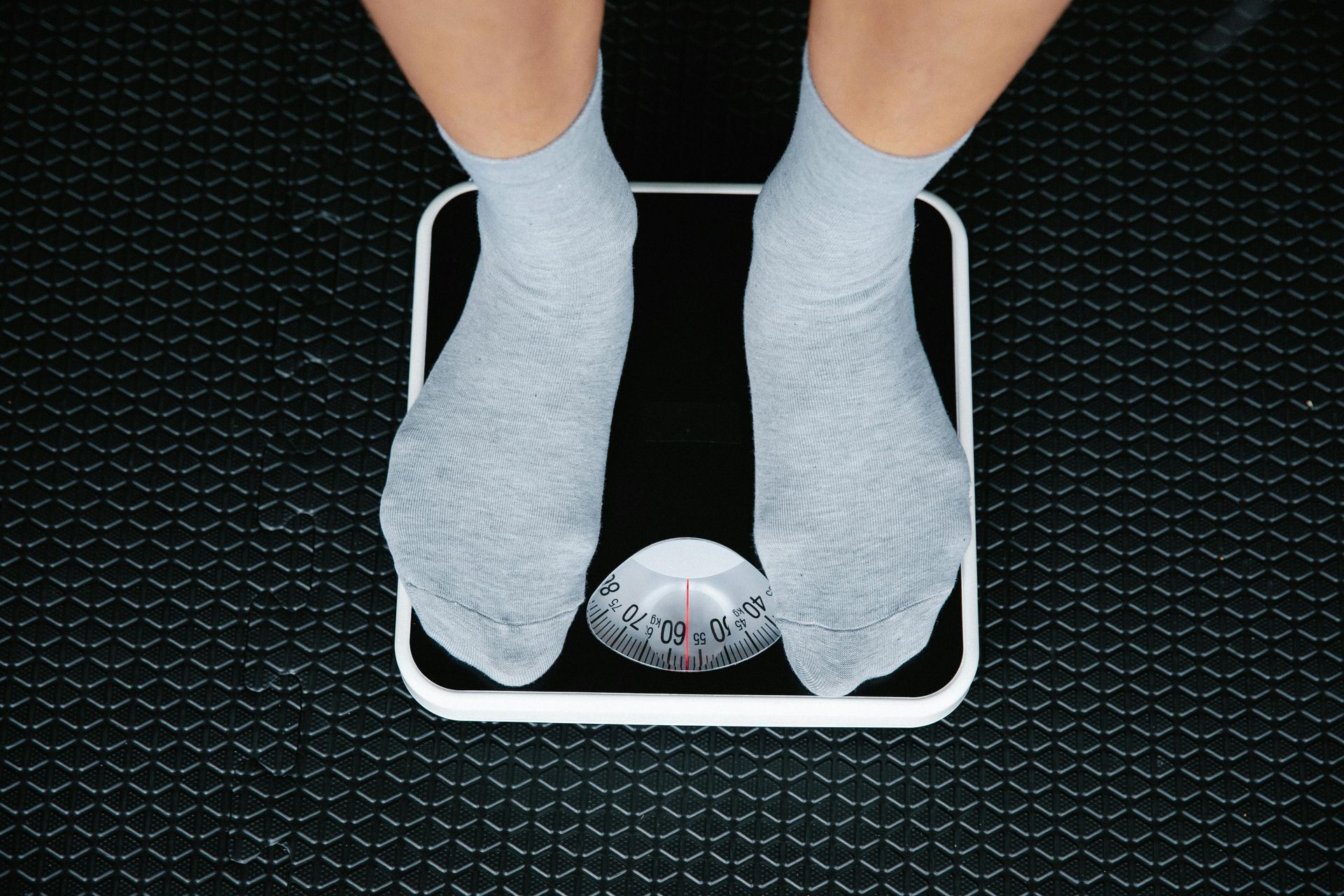
Person's feet in grey socks standing on a black and white scale on a textured black surface.

The Diet Mentor has helped thousands of clients lose weight, get healthy, and keep the weight off.  This is not a quick fix. It’s an entire lifestyle change.  Therefore, you must be ready to say goodbye to your current eating lifestyle and be willing to make some eating changes that you will follow for the rest of your life. 


Our main focus is your health.  In the United States, most deaths are preventable and related to nutrition. By losing weight you may be able to decrease or eliminate certain medications or reduce your risk of disease.  The good news is that no matter what your weight loss goal is, even a modest weight loss like 5-10 percent of your total body weight, is likely to produce health benefits such as:


  • Improved blood sugar levels if currently diabetic
  • Decreased risk of Type 2 diabetes
  • Lowered blood pressure
  • Improved cholesterol and/or triglyceride levels
  • Decreased risk of heart disease
  • Decreased risk of certain cancers
  • Improved acid reflux or GERD
  • Hormone balance
  • Allergies improve
  • Inflammatory conditions improve
  • Improvement of some skin conditions—clearer, brighter skin
  • Improved mobility
  • Decreased joint pain
  • Decreased risk of stroke
  • Decreased waist-hip ratio (central obesity which is the worst place to store fat)
  • Reduced back pain
  • Decreased risk or improvement in symptoms of osteoarthritis
  • Decreased risk or improvement in symptoms of sleep apnea
  • Headaches decrease or improve altogether
  • You’ll can live a longer, healthier life


In addition to the medical benefits of weight loss, you may also experience an improved lifestyle if you slim down. Many successful clients report improvement in these areas:


  • Better sleep
  • Improved energy
  • Decreased stress
  • Improved body image
  • Improved vitality
  • Improved mood
  • Improved sex life
  • More active social life
  • Wear what you want and not just what fits
  • Greater confidence


1) First you need to lose the weight. Our weight loss program is pretty straightforward and is repeatable and predictable. Typical weight loss is 2+ pounds per week, every week. It is a partial meal replacement ketogenic program that targets fat loss while sparing muscle mass.  Muscle is the engine that burns the fat so you don’t want to lose any muscle. Our goal is to help you achieve your goal because we have found through years of experience that the people who set a goal and achieve it respect their weight loss far more than people who don’t. 


We also guide you through the entire weight loss protocol and slowly transition you into our maintenance program.  These habits help you maintain your weight loss over time. So even if the overall goal seems large, see it as a journey rather than just a final destination. You’ll learn new eating habits that will help you live a healthier lifestyle.


2) Accountability coaching. We always say if you could have done it yourself, you would be there already and wouldn’t need us. That's because coaches help you identify and focus on what's important, which accelerates your success. According to www.coaches.com, good coaches: Create a safe environment in which people see themselves more clearly; Identify gaps between where the client is and where the client needs or wants to be.


We have weight loss coaches that are here to guide and motivate you every step of the way and there is no extra cost.  We offer free weekly accountability appointments where we weigh and measure you, take your body fat reading, review your food journal, and offer hints, tips, ideas, and motivation to help keep you on track. Every one of our coaches understands that it’s not always easy but we do know that it is worth it as we have had thousands of clients tell us how losing weight, regardless of the amount, has changed their life for the better.


3) Maintenance. This is actually the hardest part of our program—keeping it off!  Losing the weight is actually the easy part.  Maintenance is 100% free for as long as you need. Keeping the weight off can be the struggle because again we are a lifestyle change and many people want to go back to their old eating habits that brought them here in the first place and it didn’t work then and it won’t work now. Our maintenance program is about ongoing nutrition changes that includes long-term changes in daily eating habits.


Once you get to your weight loss goal, we teach you proper nutrition that works for you because we know everyone is different and what works for one person may not work for the next.  We believe in Bio-Individuality – the theory that one person’s food is another person’s poison – it’s based on age, gender, race, blood type, and level of activity.


We respect you, the individual, and will work with you diligently to find the right nutritional program that works for you to maintain your weight loss.  No one teaches people proper nutrition—Public schools don’t teach it. Did you know that most medical schools in the United States teach only 20-25 hours of nutrition over the course of four years.


We believe it’s about progress and not perfection and are here for you through your entire journey, however long it takes for you to learn to maintain your weight loss. We have helped people lose 10-20 pounds to over 200 pounds.


If you are ready to change your life for the better and get healthy, we would love to help you reach your health goal. Please give us a call and schedule your Initial Consultation at 320-1515!


Written by: 

Sheri Zillioux


Owner

Certified Integrative Nutrition Health Coach

Board Certified Health and Wellness Coach

Recent Posts

Semaglutide injection pen on a yellow bubbly background
May 1, 2026
GLP-1 medications like semaglutide (Ozempic, Wegovy) have completely changed the conversation around weight loss. For many people, they’ve made significant, sustained weight loss more achievable than ever before.

Brown eggs in and around a white bowl on a yellow cloth, against a white background.
October 7, 2025
Most of us wouldn’t think of eating a 24oz steak every day but that is about the amount of protein a 190lb man needs to support good health. Thankfully, one doesn’t need to consume a huge steak every day but can get protein from multiple sources throughout the day that are much healthier. Additionally, current research is showing that eating too much protein at one time can have adverse effects. Protein comes from many sources in our diets. There are the more obvious ones like meat, eggs and dairy, but it is also present in the fruits and vegetables we enjoy. We need to take all sources into consideration when looking at total ideal protein intake. Protein, carbohydrates, and fat are the macronutrients that make up our diet. To achieve weight loss, we change the amount and ratio of these to create an imbalance. This must be done in a manner that will preserve lean muscle while causing fat loss. If muscle mass is lost, our calorie needs decrease and it is more likely that the muscle will be replaced with fat. In ketogenic diets, this is achieved through lowering the intake of carbohydrates and carefully increasing protein intake to create the imbalance needed to put the body into the fat burning state of ketosis. A mild state of ketosis is ideal for weight loss and can be maintained until the desired weight loss is achieved. The amount and timing of protein intake in this process is of particular importance to maintaining the ketogenic state and to reduce hunger but also to ensure preservation of lean muscle mass. If too little protein is consumed or if it is not consumed often enough, the body will come out of the fat burning state as it works to conserve stores of energy (fat). When too much protein is consumed it can have harmful effects on both the musculature and other systems. “When too much protein and too little fat and carbs are consumed, your cells burn protein for energy. This can create an acidic environment in the body, which triggers calcium (a base) to get pulled out of bones to neutralize the acid. Muscle also tends to weaken in an acidic environment, which increases the risk of injury and premature aging. And when protein is burned for fuel in place of the carbs you're not eating (your body's preferred fuel source), it's essentially wasted, because it's not available to maintain and repair your muscle and other lean tissue.” (Sass, 2019) Spreading one’s intake of protein throughout several meals during the day will stimulate 24-hour protein synthesis. (Mamerow MM, 2014) A smaller, measured amount of protein eaten at regular intervals has also been shown to be more effective at reducing hunger even when fewer total calories are consumed (Paddon-Jones D, 2008). It is ideal for about 30% of daily calories should come from protein for weight loss. (Castaneda & Fetters, 2019) Bariatric (weight loss) products are designed to allow intake of protein 4-6 times per day while working to lose weight. If the goal is 1,200 calories per day then 360 of those calories should come from protein which has 4 calories per gram. This means a person can consume 90 grams of protein per day. Taking into consideration other sources of protein such as spinach, eggs, and meat, one will probably want to consume about 60 grams of protein from nutritional products. Bariatric protein products are designed with about 15 grams of protein so one can have 4-6 of them during the day thereby spreading protein consumption out to ensure more efficient protein synthesis and greater satiety. This model for weight loss has been proven to not only be effective for healthy weight loss but has also been shown to result in less weight gain once goal weight has been achieved. (Sass, 2019) If one uses a protein product with substantially more protein, one must also limit the number of times protein is consumed or risk a dangerously elevated daily protein intake. The recommendations are to consume 0.5 to 0.8 grams per pound of body weight per day. A person weighing 190lbs should ideally consume 95-152 grams of protein a day. The lower limit would be for someone who is moderately active while the upper limit would be for someone wanting to bulk up. Few would recommend the upper limit long-term because of the issues created by too much protein consumption. Even at the mid-level of about 124 grams per day, one will only have about 70 grams of protein to consume through protein products if also including eggs, meat and vegetables in the diet. Even when looking to maintain weight and maximize muscle regeneration, it is ideal to spread the consumption of the protein throughout the day. A person in this category would be able to enjoy five 15-gram products to maximize their absorption and satiety while also minimizing their caloric intake. When deciding which protein products to include in any diet there are numerous considerations including taste, availability, convenience, and overall nutritional profile. While there are many protein products on the market today, most are designed only to deliver protein in a convenient package that will sell to the mass market. These products are not designed for weight loss and will often have the wrong ratios of macronutrients that are needed for weight loss and muscle preservation. It is good to remember the adage “Buyer Beware” when looking at a protein supplement on-line or on a store shelf. References Castaneda, R., & Fetters, K. A. (2019, August 29). How much protein do I need? U.S. News. Retrieved September 6, 2019, from https://health.usnews.com/wellness/food/articles/how-much-protein-do-i-need Mamerow MM, M. J. (2014). Dietary protein distribution positively influences 24-h muscle protein synthesis in healthy adults. J Nutr., 144(6):876–880. doi:10.3945/jn.113.185280 Paddon-Jones D, e. (2008, May 01). Protein, weight management, and satiety. Am J Clin Nutr, 1558S-1561S. doi:10.1093/ajcn/87.5.1558S Sass, C. (2019, September 5). Can I have Too Much Protein When Trying to Lose Weight? Retrieved from shape.com: https://www.shape.com/healthy-eating/should-you-eat-more-protein-lose-weight Westerterp-Plantenga MS, L. S. (2012, August). Dietary protein - its role in satiety, energetics, weight loss and health. British Journal of Nutrition, 108, 105-112.
Hand holding a red tomato among cucumbers, tomatoes, and an avocado on a light surface.
May 12, 2022
Food pushers find ways to sabotage your relationship with food by making comments about your dietary choices or insisting you eat differently—whether that be more, less, or different foods—than you currently are.